
Quick, evidence-based guidance to help you recognize common tick bites, perform basic first aid, and decide when to seek medical care.
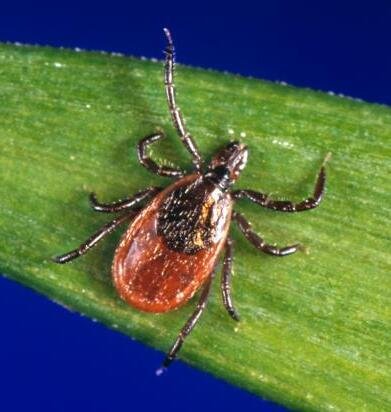
How a tick bite typically looks
- Small puncture or red spot at the attachment site; sometimes no immediate pain.
- Possible local redness or swelling that can develop over hours to days.
- In some cases a spreading rash (e.g., erythema migrans) can appear — this is characteristic of Lyme disease in some regions.
Visual features vary by tick species and individual reaction. For general CDC guidance on ticks and tick bites see CDC — Ticks and for first-aid see Mayo Clinic — Tick bites (first aid).
Immediate first-aid steps
- Remove the tick promptly and properly: use fine-tipped tweezers, grasp the tick as close to the skin as possible and pull upward with steady, even pressure. Do not twist or jerk. Avoid folklore remedies (e.g., petroleum jelly, heat).
- Clean the area: wash with soap and water or use an alcohol wipe.
- Save the tick (optional): place it in a sealed container for identification if needed by a health professional.
- Monitor for symptoms: watch for fever, rash, joint or muscle pain, or flu-like symptoms for at least 30 days.
Detailed removal instructions and follow-up are available at the CDC ticks page and the Mayo Clinic first aid guidance.
Distinguishing ticks from other causes
Many skin reactions are mistaken for tick bites. Below are common differences to help guide you — this is not diagnostic.
| Feature | Tick bite | Other bites / causes |
|---|---|---|
| Attachment point | Small puncture; tick may still be attached. | Stinging insects (wasp) cause immediate pain; mosquito/flea cause itchy bumps; scabies/lice cause patterns or multiple small papules. |
| Timing | May be unnoticed at time of attachment; symptoms can appear later. | Mosquito/wasp usually immediate; scabies/lice show progressive itching and characteristic distribution. |
| Risk of infection | Depends on region and tick species (e.g., Lyme, Rocky Mountain spotted fever). | Some insects transmit pathogens (fleas, lice), others mainly cause allergic reactions. |
For regional details about non-tick causes, see university extension guides such as Kentucky, Cornell, Texas A&M, and Colorado State (example resources in our references).
When to seek medical care
- Fever, chills, fatigue, muscle/joint pain after a tick bite.
- Expanding red rash, especially a target-like ("bull's eye") rash.
- Difficulties breathing, facial swelling, or severe allergic reaction.
- If the tick could not be removed completely or the site shows increasing redness, warmth, or discharge.
If you suspect a tickborne disease, contact your healthcare provider promptly. Trusted clinical references: CDC — Ticks and Mayo Clinic — Tick bites.
Prevention & best practices
- Wear long sleeves and long pants in tick-prone areas; tuck pants into socks.
- Use EPA-registered repellents on skin/clothing as recommended by authorities.
- Perform tick checks after outdoor activity, especially on children and pets.
- Promptly launder clothing after hikes and dry clothes on high heat if advised.
See CDC guidance on preventing tick bites: CDC — Avoiding ticks.
How our app can help
If you have a photo of the bite, our app can help you compare visual features and suggest likely causes and next steps. It is not diagnostic — always confirm concerns with a healthcare provider.
FAQ
Can a photo reliably identify a tick bite? Photos can help narrow possibilities, but visual appearance alone is often not definitive. Consider timing, symptoms, and local tick-borne disease risks. What should I do if I find a tick attached? See the removal steps above. If you cannot remove it safely, seek medical help. Is this medical advice? No. This information is educational only. For personal medical advice, contact a healthcare professional.References: CDC (Ticks), Mayo Clinic (Tick bites — first aid), and university extension resources (University of Kentucky, Cornell, Texas A&M, Colorado State).
Disclaimer: The content here is for informational purposes and does not replace medical care.
Want to compare a photo?
Use the free online tool for a private, on-device comparison.