Quick summary: Chigger bites are caused by tiny mite larvae (commonly called chiggers). They typically produce intensely itchy red bumps or clusters of bumps, often in areas where clothing fits tightly (waist, ankles, groin). Bites are irritating but rarely transmit disease in many regions. If you notice signs of infection, spreading redness, fever, or unusual symptoms, seek medical care.
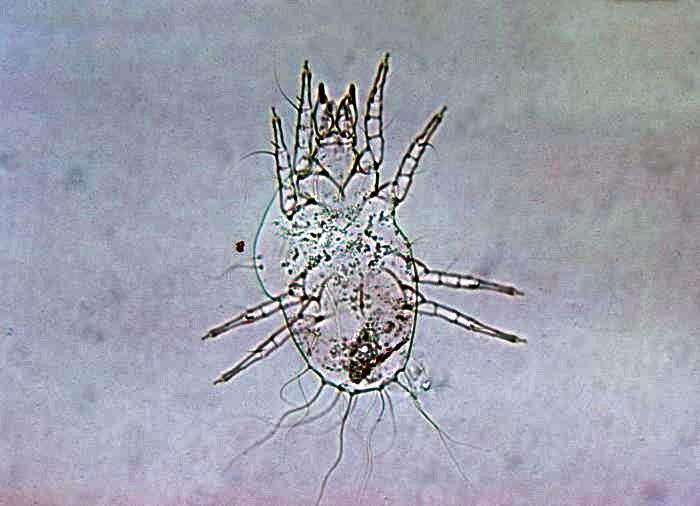
What causes chigger bites
The immature stage (larva) of certain mites (family Trombiculidae) attaches briefly to skin and injects digestive enzymes that cause local irritation. The mite does not burrow deeply and typically detaches after feeding. Chigger exposure is most common after walking through tall grass, brush, or leaf litter.
Typical signs & symptoms
- Small red bumps or clusters of bumps (papules) — often intensely itchy.
- Bites commonly appear in skin folds or where clothing is tight: waistline, ankles, groin, behind knees.
- Itching may start several hours after exposure and can last days.
- Scratching can lead to secondary skin infection (cellulitis) if the skin is broken.
How to tell chigger bites from other causes
No single feature is definitive, but consider:
- Chigger bites — clusters of intensely itchy small bumps, often in clothing-tight areas after outdoor exposure.
- Mosquito bites — usually isolated raised welts that appear quickly after a bite and on exposed skin. (See medical resources for mosquito bite guidance.)
- Tick bites — often a single bite, sometimes with an attached tick; check for a tick and for signs of spreading rash or fever. (If a tick is attached, follow tick removal guidance.)
- Bed bug bites — often in rows or clusters, commonly on exposed skin during sleep; consider bed inspection if bites occur at night.
- Scabies, fleas, allergic or contact dermatitis — may have different patterns and accompanying symptoms; consult guidance or a clinician when in doubt.
Home care & first aid
- Wash the area gently with soap and water to remove any mites and soothe the skin.
- Apply cold compresses to reduce itching and swelling.
- Use over-the-counter anti-itch remedies: topical hydrocortisone cream (1%), calamine lotion, or oral antihistamines for itch relief (follow product directions or ask a pharmacist/doctor).
- Trim nails and avoid excessive scratching to reduce risk of infection.
- If you suspect a secondary infection (increasing redness, warmth, pus), seek medical care.
When to seek medical care
Contact a healthcare provider promptly if you have:
- Signs of spreading skin infection (increasing redness, warmth, pus, or red streaks).
- Fever, chills, or systemic symptoms.
- Severe swelling, extensive rash, or if symptoms do not improve with home care.
- Concerns about ticks, possible tick-borne illness, or an attached tick you cannot remove safely.
Prevention
- Avoid tall grass, brush, and leaf litter when possible — stay on trails.
- Wear long pants tucked into socks and closed shoes in high-risk areas.
- Apply EPA-registered insect repellent (follow product instructions) to clothing and exposed skin where appropriate. (See CDC guidance on repellents.)
- After outdoor activity, shower and wash clothes to remove any mites.
Other possible causes to consider (differential)
Because many skin reactions can look similar, consider other causes such as mosquito bites, flea bites, bed bugs, scabies, lice, contact dermatitis, or non-arthropod causes. If identification is important for treatment or public-health reasons, consult a clinician or a local extension/entomology resource.
How we recommend you use this site and app
Use the app to compare photos and symptom patterns, but treat app results as guidance — not a substitute for medical diagnosis. If you are uncertain, or if symptoms are severe, follow the “When to seek medical care” guidance above.
References & further reading
- University of Kentucky: Mystery Bites — Insect and Non-Insect Causes
- Cornell NYSIPM: Mystery Bites
- Texas A&M: Diagnosing Mysterious “Bug Bites”
- Colorado State University: Mystery Bites and Itches
- Mayo Clinic: Insect bites & stings — First aid
- CDC: Beat the Bite / Fight the Bite guidance
Quick FAQ
Do chigger bites mean I have a disease?
No — chigger bites typically cause local irritation and itching. In most regions they do not transmit serious disease, but if you develop fever or systemic symptoms, see a clinician.
How long do chigger bites itch?
Itching can last several days. Treat with anti-itch creams or oral antihistamines and avoid scratching to reduce infection risk.
Can I photograph the bite and use the app?
Yes — good quality photos (well-lit, close but not blurred) help identification. The app provides guidance but not a definitive medical diagnosis.
Disclaimer: This page provides general information only. It does not replace professional medical advice. If you have signs of infection, systemic symptoms, or are concerned, consult a healthcare professional.
Want to compare a photo?
Use the free online tool for a private, on-device comparison.