How to recognize bed-bug bites, first-aid steps, prevention, and when to seek medical care.
Quick facts
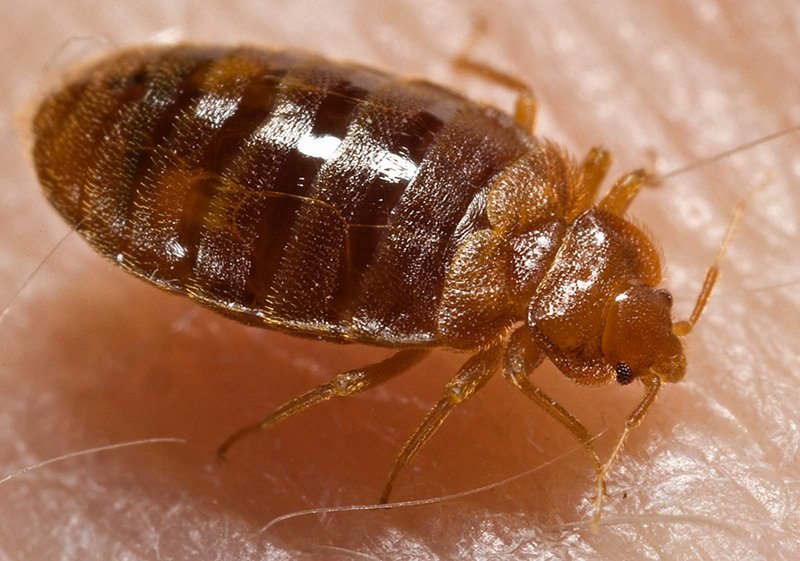
- Bed bugs are small, nocturnal insects that feed on human blood. Bites often appear on exposed skin during sleep.
- Not everyone reacts the same: some people have no visible reaction; others develop red, itchy welts.
- Bed-bug bites themselves are not known to transmit disease, but bites can become infected if scratched. (See sources below.)
Appearance & common symptoms
Typical findings after a bed-bug bite may include one or more of the following on exposed skin:
- Small, flat or raised red bumps or welts (papules).
- Often grouped or arranged in a line or cluster (sometimes called "breakfast, lunch, dinner" pattern).
- Itching of variable intensity that may begin minutes to days after the bite.
- Occasional blistering in sensitive individuals.
How bed-bug bites compare to other causes
| Feature | Bed-bug bites | Mosquito / other insect bites |
|---|---|---|
| Typical pattern | Clusters or linear streaks on exposed skin (often where sheets press). | Single or scattered bites. Mosquito bites often isolated and random. |
| Time & location | Often noticed after waking; common on arms, neck, face. | Can occur any time; location varies with exposure. |
| Associated signs | Sometimes small blood spots on sheets, tiny dark spots (fecal marks) on mattress seams, or live bugs in mattress seams. | Usually no signs in bedding; may see mosquitoes in room. |
Note: Many skin reactions look similar. If you are unsure, consider photographing the bite(s) and, if concerned, consult a healthcare professional. See the Resources section for reliable identification guides from universities and public health agencies.
First-aid & self-care
- Clean the area: Wash with soap and water to reduce the risk of infection.
- Relieve itching: Apply a cold compress for 10–15 minutes. Over-the-counter topical hydrocortisone 1% or oral antihistamines may help for itching (follow label instructions or ask a pharmacist/doctor).
- Avoid scratching: Keep nails short and consider covering the area to prevent skin breakage and secondary infection.
- Watch for infection: Seek care if the area becomes increasingly red, warm, swollen, or painful, or if you develop fever.
(Source: Mayo Clinic & CDC summaries — see references.)
When to get medical attention
Seek prompt medical care if you experience any of the following after an insect or suspected bed-bug bite:
- Signs of spreading skin infection (increasing redness, warmth, pus).
- Severe swelling, pain, or blistering.
- Systemic symptoms — fever, chills, feeling unwell, dizziness, breathing difficulty, or facial swelling (possible allergic reaction).
- If you have a weakened immune system or are otherwise high risk (e.g., very young, elderly, or with significant chronic illness).
Prevention & reducing exposure
Bed bugs are usually introduced into homes via luggage, used furniture, or clothing. Prevention and control focus on reducing hiding places and inspecting sleeping areas:
- Inspect mattress seams, box springs, and bed frames for small reddish-brown bugs or tiny dark fecal spots.
- When traveling, keep luggage off beds and inspect hotel mattresses; launder clothes in hot water after travel.
- Encase mattresses and box springs in zippered, bed-bug-proof covers.
- If you spot bed bugs or evidence of them, consider professional pest control — do not rely on unverified DIY pesticides.
Using the Bug-Bite-Identifier app
If you’re unsure whether bites are from bed bugs, the app can help you compare photos and learn likely causes. Always use the app as an information tool — not a substitute for professional medical or pest control advice.
Frequently asked questions
Can bed bugs spread disease?References & further reading
- CDC — Bedbugs: FAQs
- Mayo Clinic — Bedbugs
- University of Kentucky — Mystery Bites: Insect and Non-Insect Causes
- Cornell — Mystery Bites (NYSIPM)
- Texas A&M — Diagnosing Mysterious “Bug Bites”
- Colorado State Univ. — Mystery Bites and Itches
- Mayo Clinic — First aid: insect bites
- CDC — Fight the Bites
Medical & identification disclaimer
This page is for general information only and is not a substitute for professional medical or pest-control advice. If you have concerns about a bite, a worsening skin problem, or systemic symptoms, please consult a healthcare provider or local public health authority.
Content adapted from public health and university sources (CDC, Mayo Clinic, Cornell, Texas A&M, Colorado State, Univ. of Kentucky).
Want to compare a photo?
Use the free online tool for a private, on-device comparison.