Quick guide to identifying ant bites and stings, immediate first-aid, prevention, and when to seek medical care. This information is educational and not a substitute for professional medical advice.
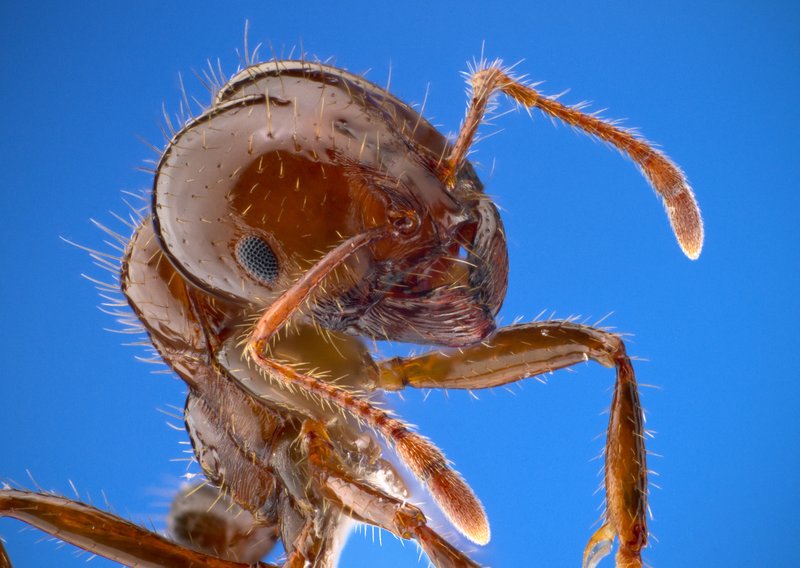
How ant bites & stings commonly look and feel
Ant interactions vary by species. Most ant encounters cause one or more of the following:
- Local redness and swelling at the site, often developing within minutes.
- Pain or a burning sensation right after the bite or sting — fire ants, for example, cause a burning pain and small blisters in some people.
- Small blisters or pustules that may appear within hours (common with fire ants).
- Itching that can persist for several days as the area heals.
Note: Symptoms vary with the species, the number of bites, and individual sensitivity. People with known allergies can have more severe reactions.
First aid for ant bites & stings
- Move to safety to avoid more bites or stings.
- Clean the area with soap and water to reduce infection risk.
- Reduce pain and swelling: apply a cold pack or clean cloth (10–15 minutes at a time).
- Relieve itching: consider an over-the-counter antihistamine or topical hydrocortisone cream (follow package directions).
- Avoid popping blisters: blisters protect underlying skin; keep them clean and covered if they break.
If the bite site becomes increasingly red, warm, or painful, or if you notice pus, consult a healthcare professional — these can be signs of infection.
When to seek urgent medical care
Seek immediate medical attention if any of the following occur after an ant bite or sting:
- Trouble breathing, wheezing, or throat tightness (signs of a severe allergic reaction/anaphylaxis).
- Rapid swelling of the face, lips, tongue, or throat.
- Dizziness, fainting, or feeling rapidly unwell.
- Fever or spreading redness beyond the bite area (possible infection).
If you have a history of severe allergic reactions, follow your emergency plan and use epinephrine if prescribed, then seek emergency care.
Prevention & practical tips
- Wear closed shoes and long clothing when working or walking in ant-prone areas (gardens, fields).
- Avoid disturbing ant nests or mounds; watch where you step or place hands.
- Keep food and trash secured outdoors — food attracts ants.
- For fire-ant areas, shake out shoes and clothing before putting them on.
How to tell ant bites apart from other causes
Many skin reactions can look similar. Consider these clues that suggest an ant bite or sting:
- Immediate pain or burning at contact — typical of stinging ants (e.g., fire ants).
- Clustered lesions — ants can bite multiple times, producing grouped marks.
- Presence of nearby ant mounds or seen ants on the skin or clothing.
- Blister formation within hours (suggestive of fire ant envenomation in some cases).
Other causes of bites/itch can include mosquito bites, flea bites, bedbugs, mites, or skin conditions (e.g., contact dermatitis, scabies). When in doubt, use your best photo quality and consult a clinician.
Use the app to help identify a bite
If you’re unsure, open the Bug-Bite-Identifier app, take a clear close-up photo (good lighting, no heavy zoom), and follow the prompts. The app provides suggested matches and guidance — always confirm with a healthcare professional for serious concerns.
Selected references & further reading
- University of Kentucky — Mystery Bites: Insect and Non-Insect Causes
- Cornell NYSIPM — Mystery Bites
- Texas A&M — Diagnosing Mysterious "Bug Bites"
- Colorado State Univ — Mystery Bites and Itches
- Mayo Clinic — Insect bites and sting first aid
- CDC — Fight the Bite
Disclaimer: This page provides general information only and is not medical advice. For medical concerns, contact a healthcare professional. Sources used include university extension pages and public health organizations.
Want to compare a photo?
Use the free online tool for a private, on-device comparison.