
Recognizing the Culprit When You Find It
While bite skin reactions can look remarkably similar across different individuals, finding the actual creature offers concrete physical evidence. Entomologists distinguish biting and stinging arthropods through anatomical characteristics: leg counts, body segmentation, mouthparts, locomotion, and micro-habitat.
Below is a structured diagnostic framework to help you inspect physical specimens safely, followed by detailed profiles for the 7 most common biting suspects.
4 Physical Clues to Narrow Down the Creature
Examine the specimen under good light with a magnifying lens or smartphone zoom lens, keeping these four anatomical criteria in mind:
Count the Legs (Insect vs Arachnid)
Insects have exactly 6 legs and 3 body sections (head, thorax, abdomen). Spiders and adult ticks are arachnids with 8 legs and 2 body sections. Larval chigger mites have 6 legs at their parasitic stage but are microscopic.
Inspect Wings and Body Profile
Mosquitoes possess a single pair of delicate wings and a slender proboscis. Bed bugs are wingless and dorsoventrally flat (like an apple seed). Fleas are wingless but laterally flattened (side-to-side) with large jumping hind legs.
Observe Movement & Locomotion
Does it fly, crawl, or leap? Fleas can leap up to 20 cm vertically. Bed bugs and ticks crawl slowly and never jump or fly. Ants move quickly with distinct bent antennae and constricted waists.
Context & Location Where Found
Bed bugs inhabit mattress seams, baseboards, and headboards. Ticks quest on tall grass and woodland brush. Chiggers hide in berry patches and humid lawns. Mosquitoes hover near standing water and damp foliage.
The 7 Common Suspects: Profiles & Visual Guides
Review high-resolution photographs and key field marks for the seven most prevalent culprits:
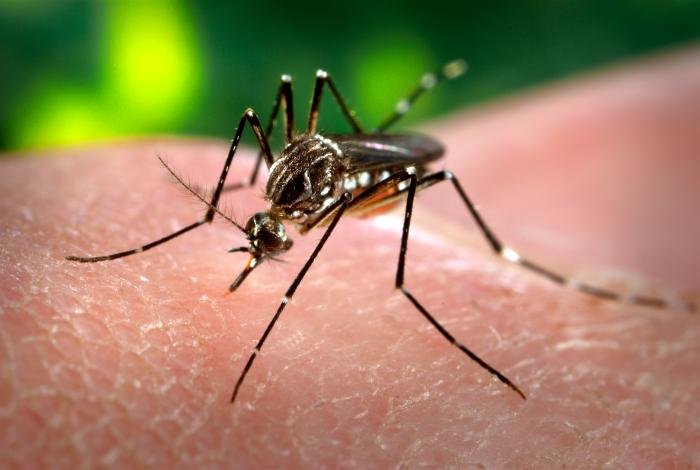
Slender flying insect with long fragile legs, narrow wings, and a long piercing-sucking proboscis. Often heard by a high-pitched buzzing.
Typical Adult Size: 3 mm to 9 mm
Where Commonly Found: Standing water, shady shrubs, humid gardens, active dusk and dawn
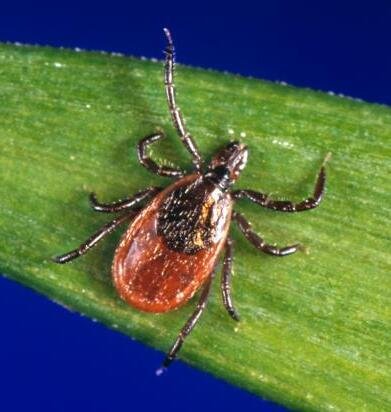
Small eight-legged arachnid with a flattened teardrop body and dark dorsal shield (scutum). Crawls slowly and attaches firmly to embed mouthparts.
Typical Adult Size: 2 mm to 4 mm (unfed), up to 11 mm (engorged)
Where Commonly Found: Woodlands, leaf litter, tall grass, shrubby trail edges
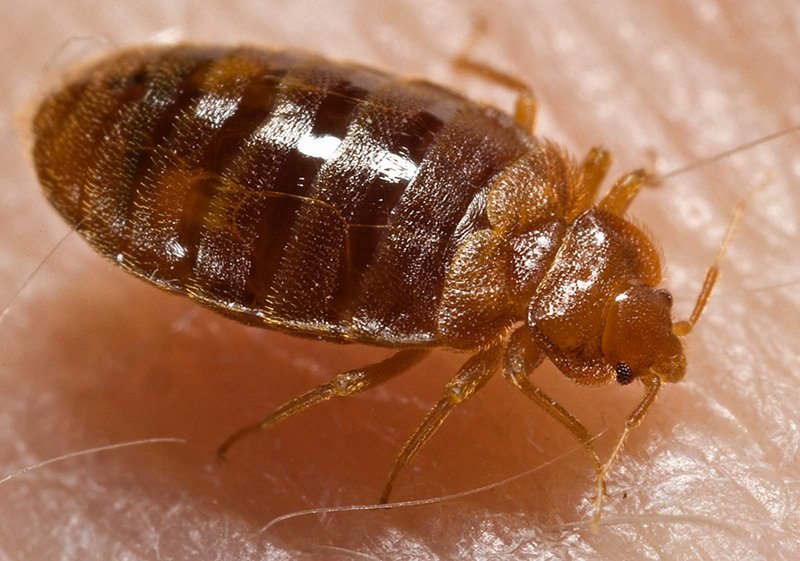
Oval, flat, wingless, reddish-brown insect resembling an apple seed. After a blood meal, the abdomen expands, lengthens, and turns bright crimson.
Typical Adult Size: 4 mm to 6 mm
Where Commonly Found: Mattress tufts, box springs, headboards, electrical outlets, bed frames
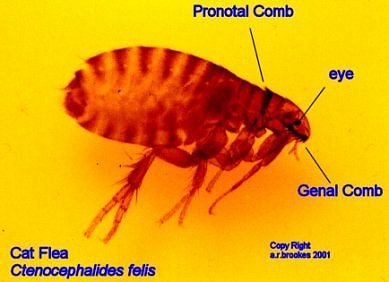
Dark brown, wingless, laterally compressed body allowing rapid transit through animal fur. Backward-pointing bristles and powerful hind jumping legs.
Typical Adult Size: 1.5 mm to 3 mm
Where Commonly Found: Pet bedding, carpets, upholstery, near floorboards and baseboards
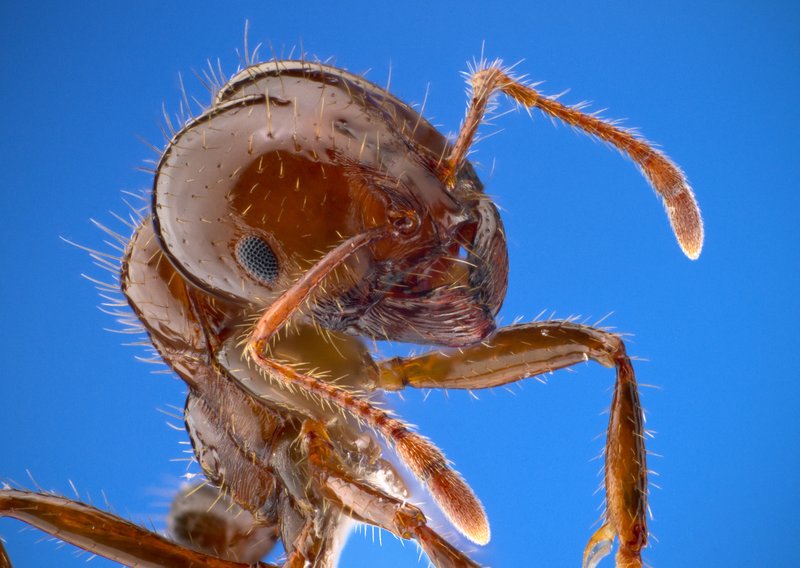
Reddish-brown worker ant with a darker abdomen, 10-segmented antennae, and a two-segmented petiole waist. Bites with mandibles to anchor before stinging repeatedly.
Typical Adult Size: 2 mm to 6 mm
Where Commonly Found: Raised soil mounds in sunny lawns, pastures, sidewalks, golf courses
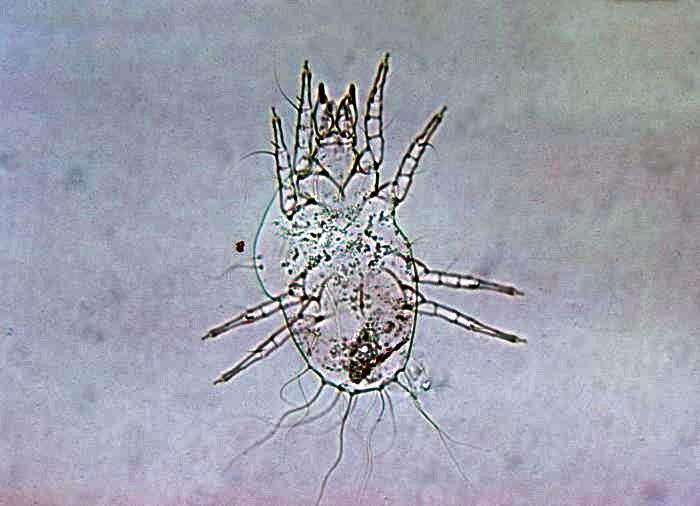
Extremely tiny, bright red to orange mite larva. Nearly invisible to the naked eye. Injects digestive enzymes into skin cells without burrowing.
Typical Adult Size: 0.15 mm to 0.3 mm (microscopic)
Where Commonly Found: Overgrown weeds, blackberry thickets, tall grass, moist woodlands
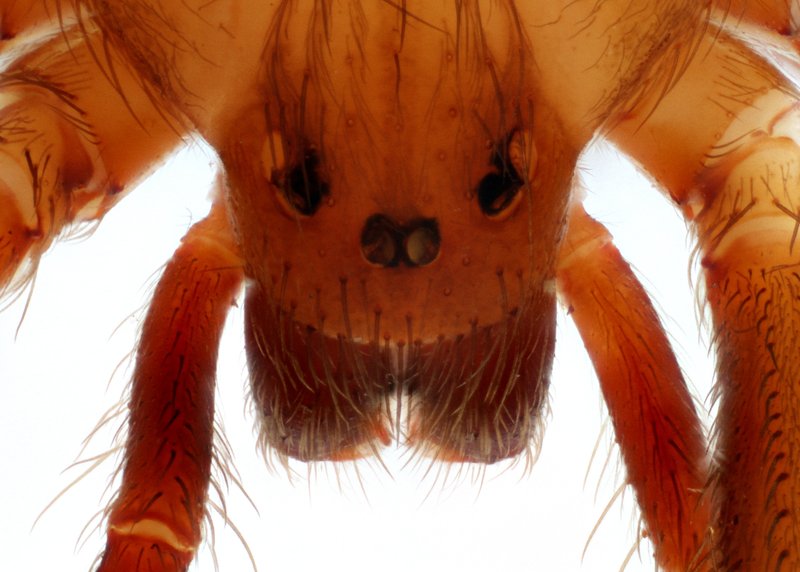
Tan to medium brown spider with long slender legs, uniformly colored abdomen without stripes, and a distinctive darker violin marking on its cephalothorax.
Typical Adult Size: 6 mm to 20 mm (body + legs up to 25 mm)
Where Commonly Found: Cardboard boxes, dark closets, attics, undisturbed woodpiles
Relative Size & Visual Scale
Use this comparative scale to evaluate the size of any arthropod you have collected:
| Creature | Adult Length | Everyday Scale Reference | Primary Movement |
|---|---|---|---|
| Chigger Mite (larva) | 0.2 mm | Tiny speck of dust, barely visible without magnification | Slow crawling |
| Flea | 2 mm - 3 mm | Size of a sesame seed | Explosive vertical jumps |
| Tick (unfed adult) | 2 mm - 4 mm | Size of a sesame seed or small pinhead | Slow crawling, questing |
| Bed Bug | 4 mm - 5 mm | Size of an apple seed | Quick crawling, no jumping |
| Fire Ant | 2 mm - 6 mm | Length of a small grain of rice | Fast crawling in trails |
| Mosquito | 4 mm - 9 mm | Small slender fly with fragile legs | Erratic low-altitude flight |
| Brown Recluse Spider | 10 mm - 25 mm | Size of a nickel or quarter coin (with legs extended) | Rapid scurrying when disturbed |
Authoritative Keys, Reference Tools & Databases
For formal taxonomic identification and verified specimen submission, consult these authoritative institutions and citizen-science portals:
- CDC Division of Vector-Borne Diseases - Comprehensive medical keys and public health guidance on ticks, mosquitoes, and fleas.
- BugGuide.Net (Iowa State University) - Online community of naturalists and entomologists helping identify North American arthropods.
- iNaturalist (California Academy of Sciences & National Geographic) - Computer-vision photo identification backed by global peer review.
- TickSpotters / URI TickEncounter Resource Center - University of Rhode Island expert photo evaluation for tick species and infection risk.
- Texas A&M AgriLife Extension: Field Guide to Insects - Illustrated identification profiles for common stinging and biting insects.
- UC Statewide Integrated Pest Management (UC IPM) - University of California diagnostic keys for household, lawn, and structural pests.
Never handle unfamiliar insects or spiders with bare hands. Use clear adhesive tape, a glass vial, or forceps to safely capture specimens for inspection or professional identification. If you experience severe allergic reactions, swelling, or difficulty breathing, seek emergency medical care immediately.
If you could not catch the creature, you can compare your skin reaction locally and privately using our in-browser scanner.